
WHAT IS DYNO TESTING?
A dynamometer (dyno) measures the actual horsepower and torque your engine produces at the wheel. Think of it as a treadmill for your machine: your vehicle runs at full throttle while sensors capture exactly how much power reaches the ground, along with air/fuel ratios, exhaust temperatures, and more.
WHY it matters for your vehicle
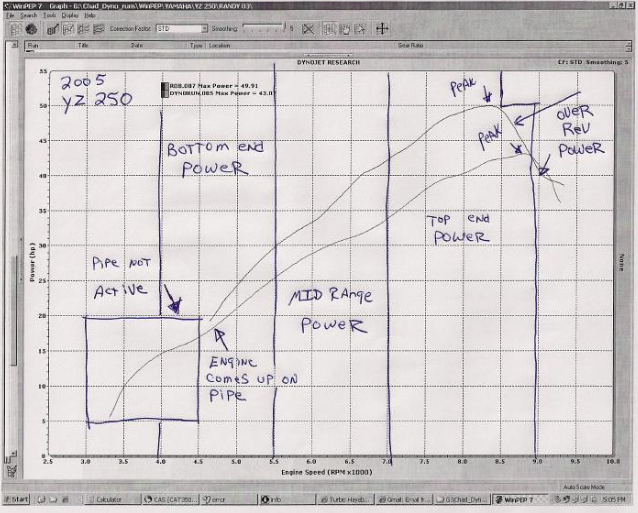
Guessing costs you money. A dyno session gives you facts. Without a dyno, performance work is guesswork. You bolt on parts and hope it feels faster. With a dyno, every modification is measured, verified, and documented. You know exactly what worked, what didn't, and where the next gains are hiding.
Manufacturer specs tell you what your engine was designed to produce in a lab. A dyno tells you what it's actually producing right now, with your specific machine and your specific modifications. That difference can be significant.

how our dyno sessions work
Every session starts with a baseline: we need to know where your machine stands before we touch anything. From there, we can tune, modify, and re-test with clear before-and-after data.
cold runs vs. hot runs: why both matter
Exhaust tuning is complex. It's about getting the negative and positive pressure pulse waves (scavenging) to arrive at the exhaust valve at exactly the right moment as it opens. Pipe lengths, cone tapers, diameters, and engine RPM all have to be perfectly timed with the intake and exhaust pulses.
cold run:
The first pull brings your exhaust system up to operating temperature. This run is necessary but not representative of real-world performance.
HOT runs:
These are your real numbers. With the pipe at actual riding temperature, the pressure waves behave as they would on the road or trail. This is the data that matters.
That's why our baseline package includes
1 cold run
+ 2 hot runs: you get consistent, real-world numbers you can trust.
Our Equipment:
We run a state-of-the-art dyno setup with high-speed data acquisition, ETAS Lambda air/fuel analyzers for precise mixture readings, an 800 HP Eddy current absorber for steady-state testing, and pressure transducer/thermocouple integration for deep diagnostic data. This isn't a simple inertia-only setup. We can hold RPM steady, sweep slowly, or do acceleration runs depending on what we need to learn about your engine.
What You Get After Your Session:
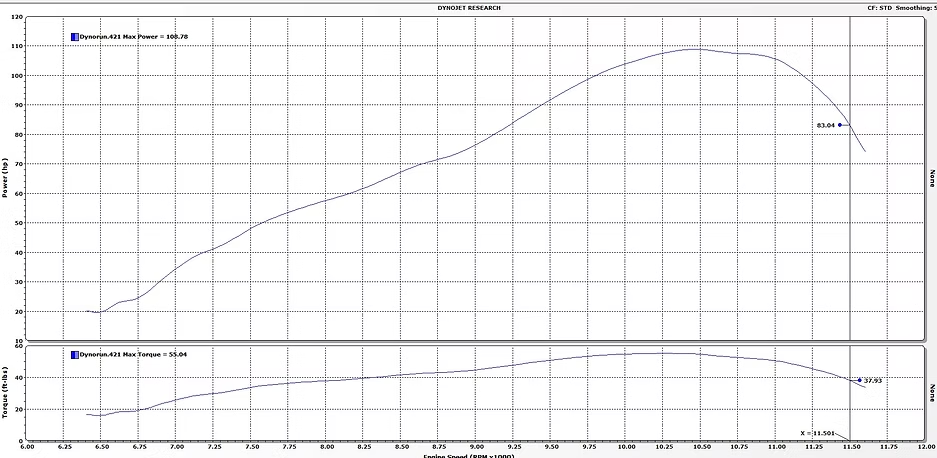
Every dyno session includes multiple pulls for consistency, a printed Dynojet Research chart showing your horsepower and torque curves across the full RPM range, air/fuel ratio data, and Angus's interpretation of the results with specific recommendations.
VEHICLES WE DYNO TEST
ATVs, quads, snowmobiles, jet skis, and motorcycles — if it has an engine, we can test it.
ATVs & QUADS
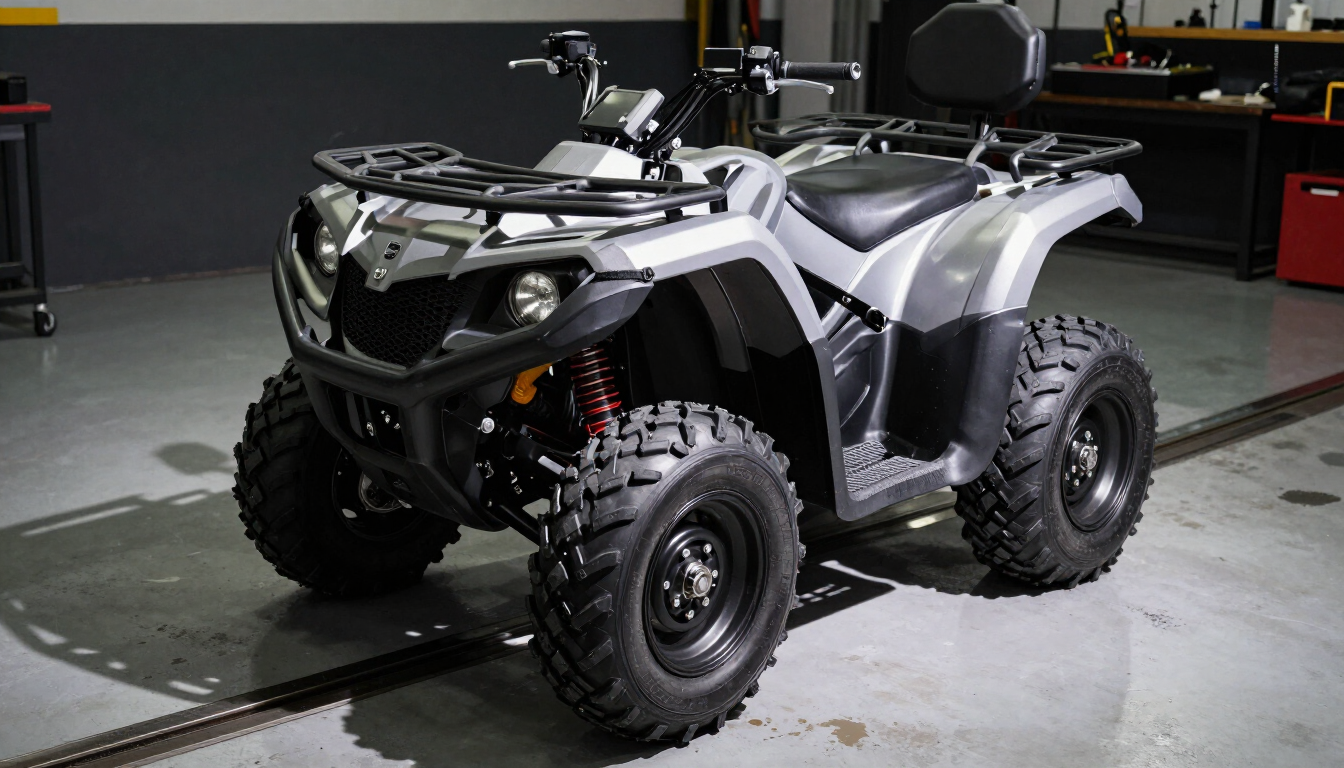
Where it all started for Angus Kennedy. From trail rigs to all-out race builds — we know these machines.
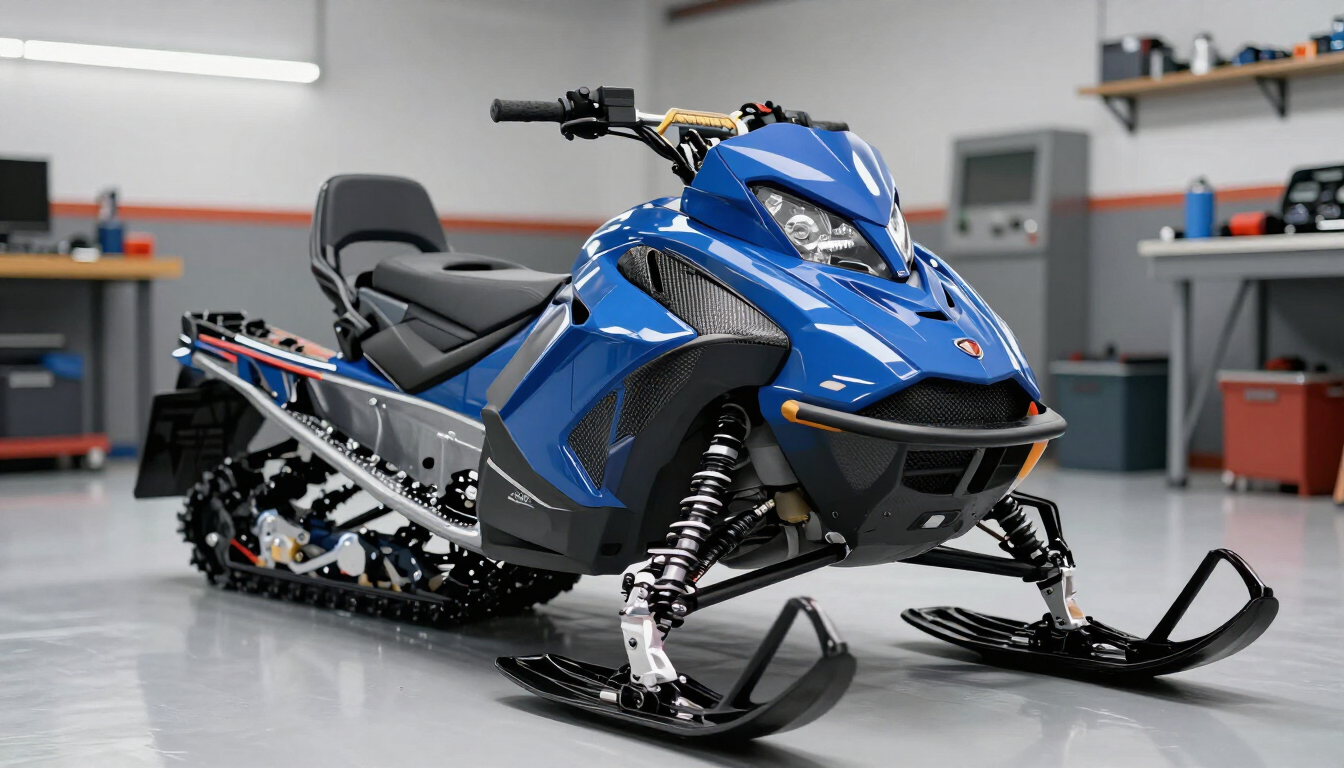
SNOWMOBILES
Cold-weather performance demands precision. We test and tune sleds to perform when the temperature drops.
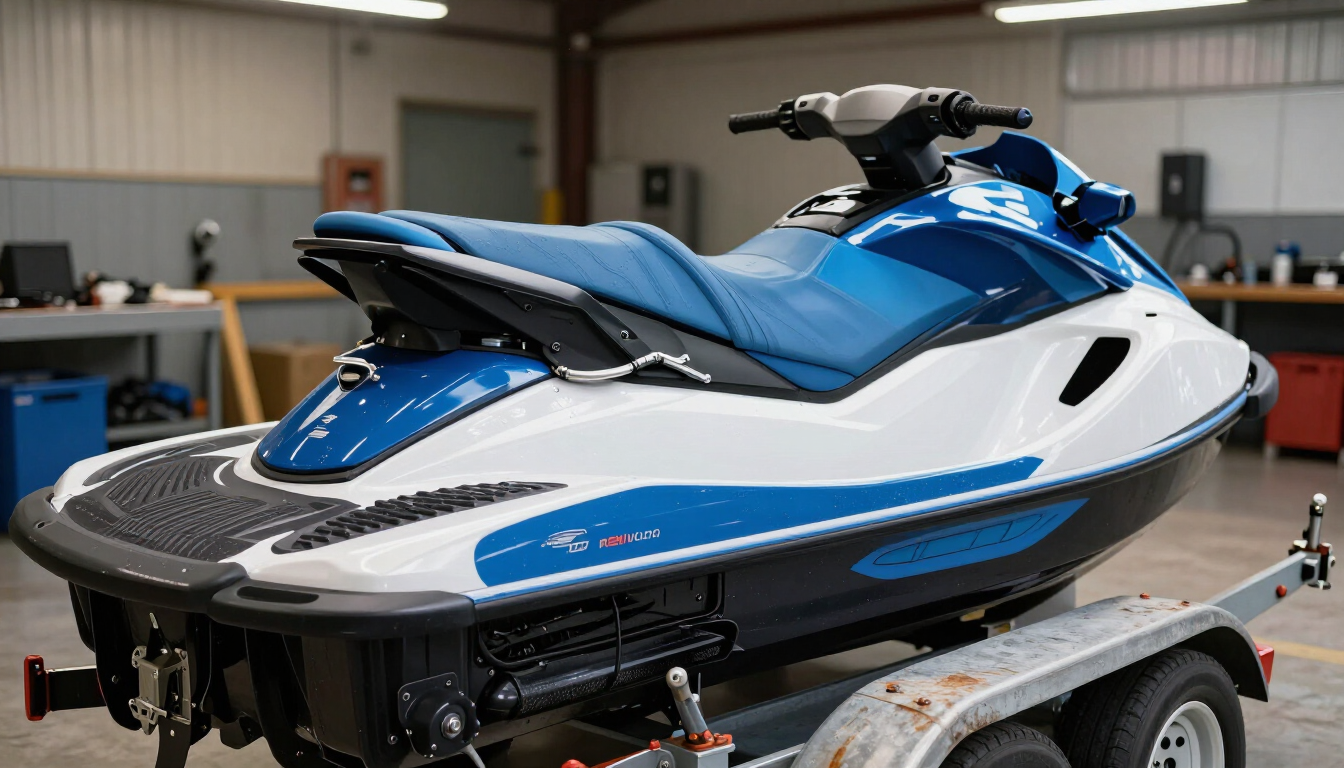
JET SKIS
On-water performance starts on the dyno. We dial in your PWC before it hits the water.
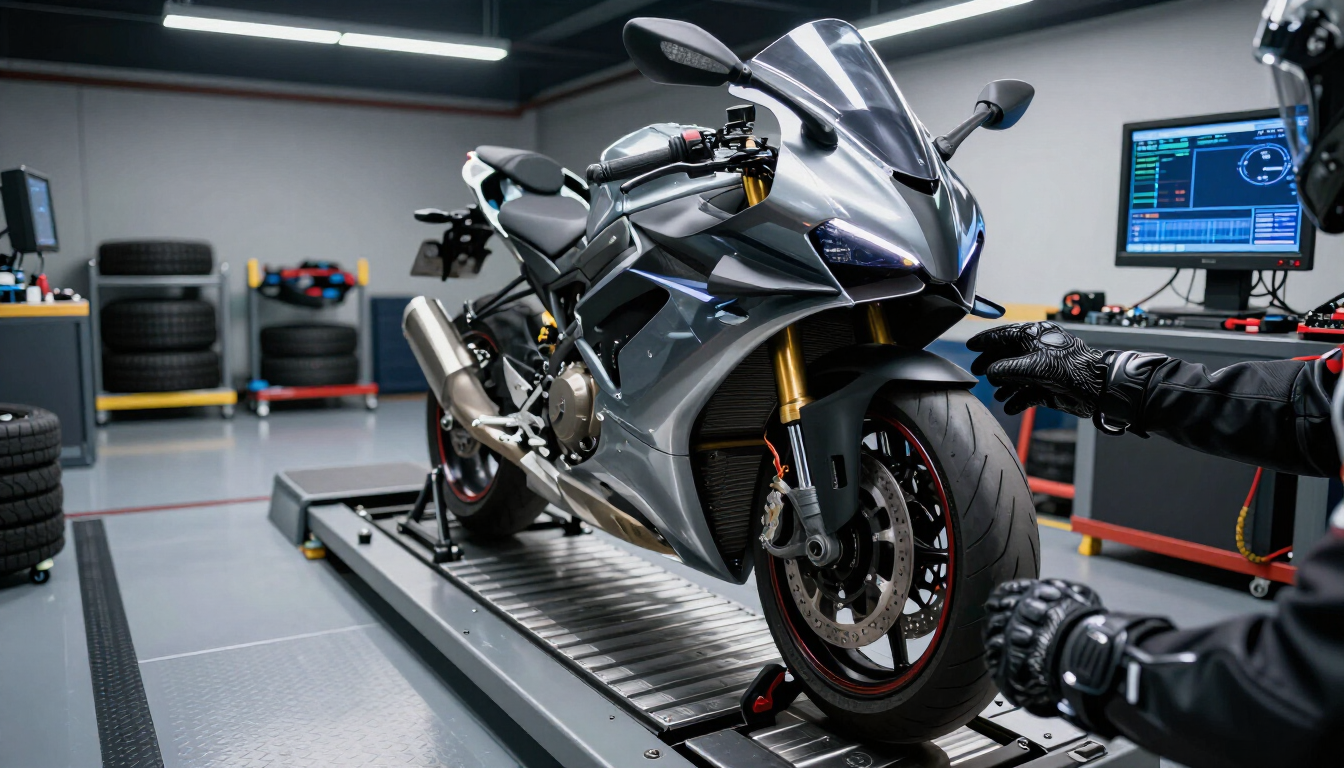
MOTORCYCLES
Street bikes, sport bikes, and custom builds. Power, torque, and tuning validation on two wheels.
DYNO SESSION FAQ
Everything you need to know before you bring your machine in.
What vehicles can be tested?
Our chassis dyno handles ATVs, quads, motorcycles (street, dirt, pit bikes, and track), snowmobiles, Harley-Davidsons, and other powersports vehicles. If it has wheels and an engine, chances are we can strap it down and measure it.
How long does a session take?
A standard baseline session takes about 30 to 45 minutes, including warm-up and multiple recorded runs. Tuning sessions (carbureted or EFI) can run 2 to 3+ hours since we're making adjustments between pulls.
Do I need an appointment?
Yes. Dyno time is scheduled in advance so we can give your machine and your session the full attention it deserves. Call or use the contact form on our site to book your slot.
Is $125 really the full price for a baseline test?
Yes. That covers 1 cold run + 2 hot runs, your printed dyno chart, and our interpretation of the results. Tuning sessions and extended diagnostics are priced separately based on scope ($400+ for carbureted, $450 for EFI).
What's the difference between a baseline and a tuning session?
A baseline measures your current output with no changes. A tuning session involves making active adjustments (jetting, timing, fuel maps) between pulls until we hit optimal numbers. Baselines are quick; tuning takes longer because we're working on your machine between every run.
Do I need special tires for ATV dyno runs?
Sometimes. Knobby ATV tires can slip on the dyno drum, which gives you inaccurate readings. If needed, we'll install our dyno-specific slick tires for the session ($50) to get accurate, repeatable results.
What do I get after the session?
A printed Dynojet Research chart showing HP and torque curves, air/fuel ratio data, peak numbers annotated, and a verbal walkthrough from Angus on what the data means and what he'd recommend next.
READY TO SEE WHAT YOUR MACHINE CAN DO?
Kennedy Power Sports' dyno test is $125. One session. Real numbers. No guesswork.
Serving Rochester Hills, MI and the surrounding Michigan powersports community since 1990.